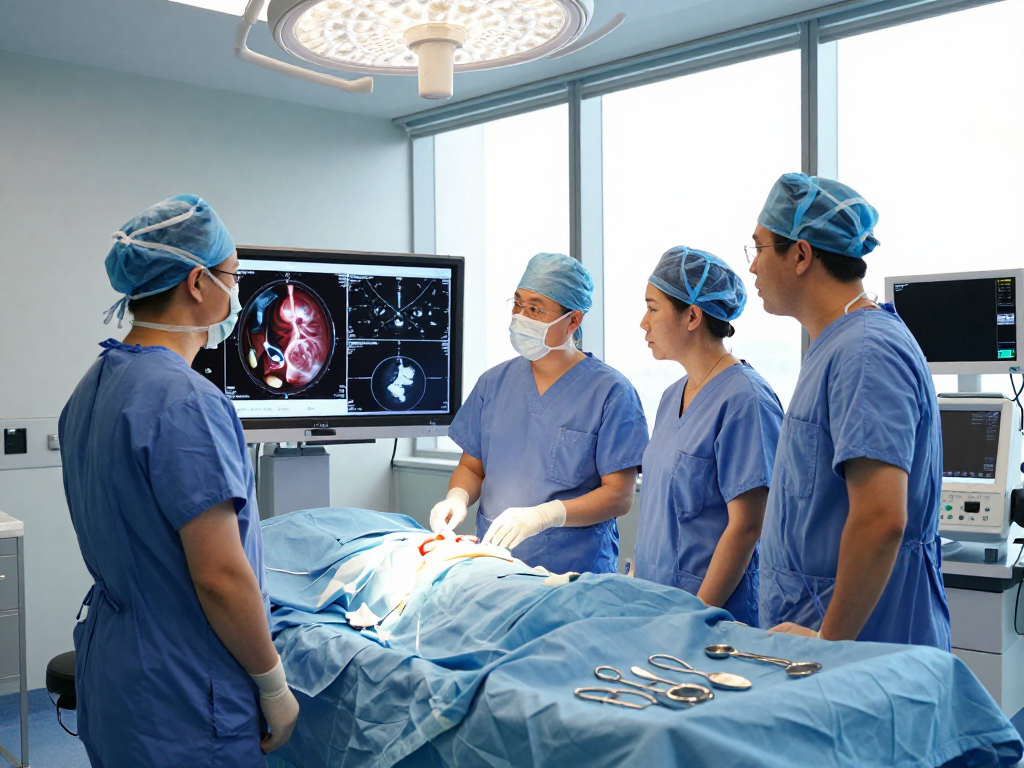
Understanding Thoracic Surgery: A Comprehensive Overview
Thoracic surgery is a specialized field of medicine focusing on surgical interventions within the chest, including the lungs, heart, and other organs in the thoracic cavity. This area of surgery is critical for diagnosing and treating disorders affecting respiratory and circulatory health. As patients consider their options, the Cleveland Clinic Abu Dhabi thoracic surgery offers innovative solutions that prioritize patient care and advanced medical technologies.
What is Thoracic Surgery?
Thoracic surgery encompasses a range of procedures aimed at addressing issues related to the thoracic organs. This can include surgeries on the lungs, esophagus, trachea, mediastinum, and diaphragm. The primary goals of thoracic surgery are to diagnose diseases, remove tumors, repair damage, or improve the functionality of these organs. Surgeons in this specialty are tasked with performing complex operations, often utilizing advanced techniques that minimize recovery time and reduce complications.
Common Conditions Treated in Thoracic Surgery
Thoracic surgeons typically manage a variety of conditions, including:
- Lung Cancer: One of the most common reasons for thoracic surgery is lung cancer, where surgical options may include lobectomy, wedge resection, or pneumonectomy.
- Esophageal Cancer: Surgical interventions may involve esophagectomy, where part or all of the esophagus is removed.
- Chronic Obstructive Pulmonary Disease (COPD): Surgical options can be pursued for severe cases to improve lung function.
- Pleural Effusion: This condition involves the accumulation of fluid in the pleural space, which can require chest tube placement or surgical intervention.
- Tracheal Stenosis: Thoracic surgery can help in cases where there’s narrowing of the trachea, either through resection or dilation.
The Role of Cleveland Clinic Abu Dhabi in Thoracic Surgery
Cleveland Clinic Abu Dhabi is at the forefront of thoracic surgery, offering cutting-edge treatments and expertise in the field. The institution not only provides state-of-the-art facilities but also employs a multidisciplinary approach, integrating specialists from various fields to ensure comprehensive patient care. Their commitment to research and innovation allows for the implementation of the latest surgical techniques, improving patient outcomes and reducing recovery times.
Innovative Techniques in Thoracic Surgery
Minimally Invasive Thoracic Surgery: Benefits and Limitations
Minimally invasive thoracic surgery has revolutionized the field, allowing surgeons to perform complex procedures with smaller incisions. The major benefits include reduced post-operative pain, shorter recovery times, and lower risk of complications. However, it is important to recognize that not all patients are candidates for these techniques, and the extent of the disease will often dictate the surgical approach taken.
Robotic-Assisted Procedures at Cleveland Clinic Abu Dhabi
Robotic-assisted thoracic surgery represents one of the most significant advancements in the field. This technology enables surgeons to perform intricate procedures with enhanced precision and control. At Cleveland Clinic Abu Dhabi, robotic systems are utilized for lung resections and mediastinal tumor removals, providing patients with less trauma and rapid recovery. Surgical teams are specially trained to harness these technologies effectively, ensuring optimal outcomes.
Future Trends in Surgical Techniques and Recovery
As we move towards 2026, the future of thoracic surgery will likely be shaped by technological advancements such as artificial intelligence and machine learning. These innovations could aid in surgical planning, patient monitoring, and even robotic surgery. Additionally, personalized medicine may play a vital role in tailoring surgical interventions based on individual patient genetics and health profiles, further enhancing recovery and outcomes.
Patient Experience and Care in Thoracic Surgery
What to Expect Before, During, and After Surgery
Understanding the thoracic surgery process is crucial for patient preparedness. Before surgery, patients will undergo extensive evaluations, including imaging studies and discussions about their medical history. During the procedure, anesthesia will be administered, and patients will be carefully monitored by a team of healthcare professionals. Post-operative care typically includes pain management and rehabilitation, with the goal of returning patients to their normal activities as swiftly as possible.
Patient Support Services Offered by Cleveland Clinic Abu Dhabi
Cleveland Clinic Abu Dhabi recognizes the importance of comprehensive support services for patients undergoing thoracic surgery. They offer a range of resources, including nutritional counseling, psychological support, and physical therapy. These services are designed to aid recovery and enhance the overall patient experience, ensuring that individuals feel supported from diagnosis through rehabilitation.
Testimonials from Thoracic Surgery Patients
Patient testimonials provide valuable insight into the quality of care received at Cleveland Clinic Abu Dhabi. Many patients report a high level of satisfaction due to the professionalism of the surgical teams, the attentiveness of nursing staff, and the effectiveness of pain management strategies. Stories of successful recoveries and improved quality of life serve to underscore the benefits of advanced thoracic surgical techniques.
Challenges and Solutions in Thoracic Surgery
Common Misconceptions About Thoracic Surgery
There are several misconceptions surrounding thoracic surgery that can lead to unnecessary fear among patients. One common myth is that all thoracic surgeries are highly invasive and lead to long recovery times. In reality, many procedures can be performed using minimally invasive techniques that significantly reduce recovery periods. Education and open communication with healthcare providers are essential in dispelling these myths.
Dealing with Post-Surgery Complications
While thoracic surgery can be life-saving, it’s not without risks. Potential complications may include bleeding, infection, or issues related to anesthesia. It’s critical for patients to be aware of these possibilities and to follow post-operative care instructions closely. Regular follow-ups with the surgical team can catch any complications early and ensure that recovery proceeds smoothly.
Best Practices for Recovery and Rehabilitation
To maximize recovery after thoracic surgery, patients should adhere to a structured rehabilitation plan. This often includes:
- Physical Activity: Gradual reintroduction of physical activity can enhance lung function and overall recovery.
- Nutritional Support: A balanced diet rich in proteins, vitamins, and minerals aids healing.
- Smoking Cessation: For smokers, quitting is crucial in preventing complications.
- Regular Check-ups: Ongoing assessments with healthcare providers ensure any arising issues are addressed promptly.
Looking Ahead: The Future of Thoracic Surgery in 2026
Emerging Technologies and Their Impact on Patient Outcomes
The next few years will likely see an explosion of new technologies in thoracic surgery. Innovations like 3D printing of surgical models and virtual reality for surgical training are already on the horizon. These advancements promise to improve surgical accuracy, enhance educational outcomes for surgeons, and ultimately lead to better patient care.
Predicted Changes in Thoracic Surgery Practices
With the rise of telemedicine and remote monitoring, thoracic surgery practices are set to evolve significantly. Patients may find themselves engaging more with healthcare providers via digital platforms for pre-operative consultations and post-operative follow-ups. This shift can provide greater accessibility and convenience, albeit requiring robust technological infrastructure from healthcare providers.
How Cleveland Clinic Abu Dhabi is Preparing for the Future
Cleveland Clinic Abu Dhabi is dedicated to staying at the forefront of thoracic surgery advancements. The institution is investing in research and training programs focused on emerging technologies and patient-centric care models. By continuously evaluating and updating their practices, Cleveland Clinic Abu Dhabi aims to provide exceptional care and ensure that their surgical teams are equipped to manage the complexities of future thoracic surgical interventions.
What is thoracic surgery?
Thoracic surgery is a surgical specialty focusing on the organs within the thoracic cavity, primarily the lungs and heart. It involves various procedures aimed at treating diseases, conducting biopsies, and managing complications.
How can I prepare for thoracic surgery at Cleveland Clinic Abu Dhabi?
Preparation for thoracic surgery typically includes discussions with your surgical team regarding medical history, medications, and any necessary tests. It’s essential to follow all pre-operative instructions for optimal outcomes.
What kinds of technology are used in thoracic surgery?
Thoracic surgery utilizes a variety of advanced technologies, including robotic systems for precision, imaging techniques like CT scans for diagnosis, and minimally invasive tools to enhance recovery.
What is the recovery process like after thoracic surgery?
Recovery after thoracic surgery can vary based on the type of surgery performed but typically includes a hospital stay followed by a structured rehabilitation program focused on physical activity and respiratory health.
Are there any risks associated with thoracic surgery?
As with any surgical procedure, thoracic surgery carries risks, including complications related to anesthesia, infections, bleeding, and postoperative respiratory issues. Engaging in thorough pre-operative consultations can help mitigate these risks.